
Skydiving in New Jersey runs pretty much year-round, but not every month offers the same experience. If you’re trying to figure out when is the best time to go skydiving, it comes down to three things: visibility, temperature, and how busy the schedule gets.
Is There a Skydiving Season in New Jersey?
Technically, no — jumps happen in every season as long as the weather cooperates. But “when is skydiving season” is really a question about comfort and views, not availability. Wind, cloud ceiling, and visibility determine whether a jump happens on any given day, and those conditions shift a lot between January and October.
Spring (March–May)
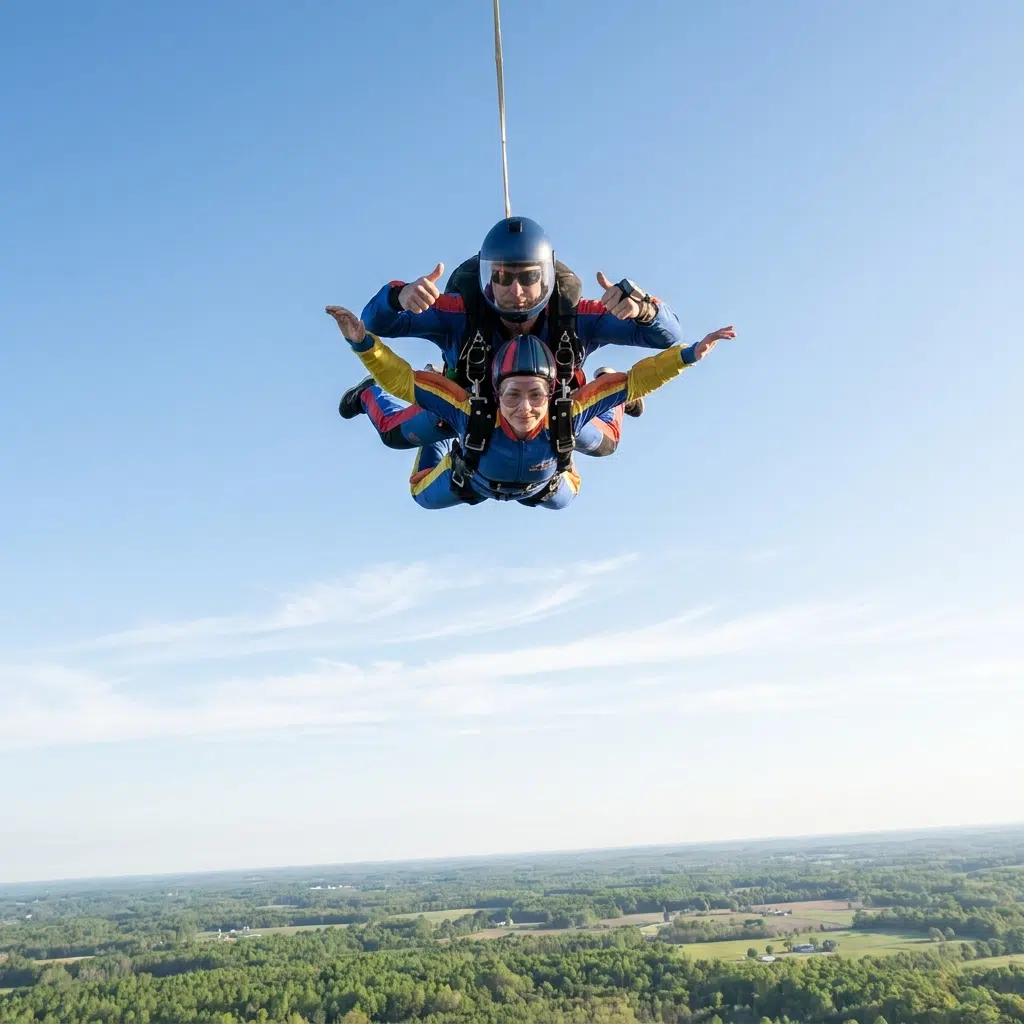
Spring offers clear, crisp air after winter, which usually means excellent visibility once the mid-morning haze burns off. Temperatures are mild enough to be comfortable in the air without the summer humidity. The tradeoff is that spring weather in the tri-state area can be unpredictable, with a higher chance of same-day weather holds.
Summer (June–August)
Summer is the busiest stretch for New Jersey drop zones, largely because school schedules free up and the long daylight hours allow for more jump slots per day. Morning and early evening jumps tend to have the clearest air, since afternoon humidity can create haze that reduces visibility.
Fall (September–November)
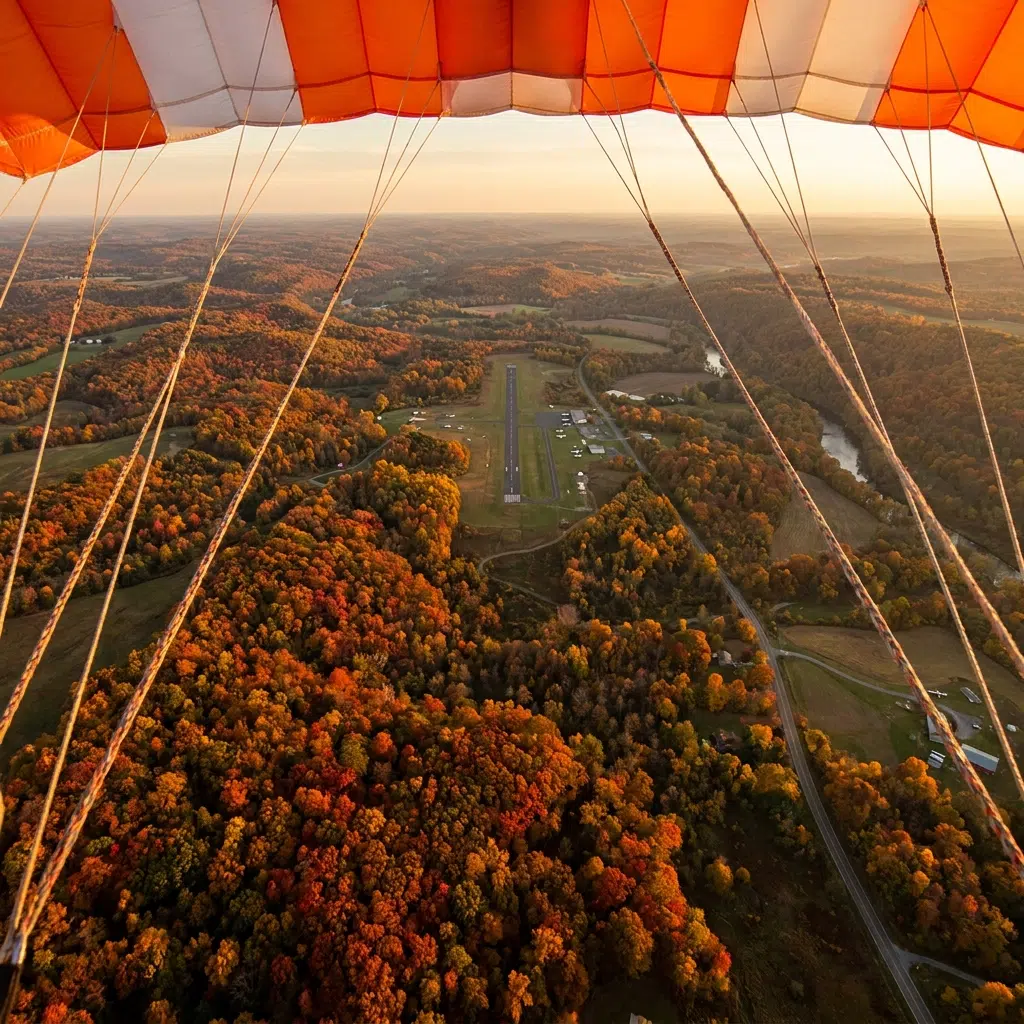
Many jumpers consider fall the best time of year to skydive in New Jersey. The air is cooler and drier, which sharpens visibility, and the changing foliage across the tri-state area turns the view under canopy into something genuinely memorable. Fall weekends do book up quickly, so earlier reservations are worth it.
Winter (December–February)
Winter jumps happen, but on a much more limited schedule. Cold air is actually very stable, which can mean strikingly clear days, but shorter daylight hours and a higher chance of weather cancellations make winter the least predictable season to plan around.
Does Time of Day Matter?
Yes. Morning slots typically have calmer winds and clearer skies before the day heats up. As temperatures rise through the afternoon, thermal activity can increase turbulence and haze, which is part of why many drop zones fill their earliest slots first.
Before you lock in a date for your skydiving new jersey experience, it’s also worth checking the tandem skydiving weight limit so there are no surprises when you arrive for check-in.

What If the Weather Doesn’t Cooperate?
Every season carries some risk of a weather hold, since safe tandem jumps depend on wind speed, cloud ceiling, and visibility limits set well before anyone boards the plane. Most drop zones will simply reschedule your jump at no extra cost if conditions don’t clear.
Frequently Asked Questions
What is the best time to go skydiving in New Jersey?
Fall is generally considered the best time to skydive, thanks to cooler air, sharper visibility, and the foliage views across the region.
When is skydiving season?
Skydiving runs year-round in New Jersey, but the most consistent conditions fall between spring and late autumn.
Is it better to skydive in the morning or afternoon?
Morning jumps usually have calmer air and clearer visibility before afternoon heat builds turbulence and haze.
Can weather cancel my skydiving reservation?
Yes. Wind, cloud ceiling, and visibility all have to meet safety minimums, and most drop zones will reschedule at no charge if a jump is held for weather.